
The allure of chance and risk
The concept of chance has an undeniable allure, especially in environments rich with bright lights and sounds like casinos. The thrill of potentially winning large sums of money draws many individuals to gaming establishments, making the experience feel like a financial adventure. For some, this excitement stems from the unpredictable nature of games where the outcome relies heavily on luck, leading to a rush of adrenaline that enhances their enjoyment. Many players also explore options like neosurf deposit casino to maximize their gaming experience, which can sometimes override rational thinking, as the prospect of a massive win can cloud judgment and encourage players to engage in riskier behavior.
Moreover, the idea of risk is intricately connected to human psychology. Many players find themselves drawn to the notion that taking more significant risks can yield substantial rewards. Neurologically, the brain releases dopamine—a chemical associated with pleasure—when faced with uncertainty and potential gain. This biological response reinforces a player’s desire to continue gambling despite the odds being stacked against them, creating a cycle of chasing wins that can lead to both highs and lows in the gambling experience.
This behavioral pattern can be further explained by the concept of loss aversion, where individuals fear losses more than they value gains. This fear often compels players to persist in their efforts to win back what they have lost, leading them to gamble more than they initially intended. Such psychological mechanisms are critical in understanding why players may go back for more, even when they recognize the diminishing returns of their gamble. The intricate dance between excitement, risk, and psychological rewards keeps the gaming tables bustling with eager participants.
The social aspect of gambling
Casinos are not merely places for solitary play; they serve as social environments where camaraderie and competition thrive. The communal experience of gambling can significantly influence the psychology of players. Whether celebrating with others at a table or sharing stories of wins and losses, social interaction can heighten the enjoyment of the gaming experience. This social dimension fosters a sense of belonging, as players connect with one another over shared interests, creating bonds and memories that enhance the overall atmosphere.
Group dynamics within casinos can also lead individuals to engage in behavior they might avoid when playing alone. The presence of fellow players can lead to a phenomenon known as social facilitation, where individuals may take greater risks in groups than they would independently. This is often fueled by a desire to impress peers or participate in the collective excitement of the moment, which can sometimes lead to impulsive decisions. As a result, the social environment not only enhances the experience but can also significantly impact individual gambling behavior.

Furthermore, the interaction between players and casino staff can create an illusion of personalized care and attention, which further enhances the players’ experiences. Casino employees often engage with players, providing a level of service that can make individuals feel valued. This relationship can influence players’ perceptions of their success and satisfaction, compelling them to return to the establishment in search of that elusive winning feeling. In this way, the social dynamics of gambling play a crucial role in shaping both the motivations and the experiences of players.
The challenge of self-control
One of the most significant psychological challenges faced by casino players is self-control. Many individuals struggle to set limits on their spending and time while gambling, often becoming swept away in the excitement of the moment. The design of casinos, with their lack of clocks and strategically placed games, exacerbates this issue. By creating an environment where time and money can easily slip away from players, casinos inadvertently foster risky behavior that can lead to financial distress.
The psychological concept of cognitive dissonance plays a crucial role here, as players might rationalize their decision to keep gambling despite losses. They may tell themselves that they are “due for a win” or that they just need to play a little longer to break even. This internal conflict can lead to a cycle of negative emotions, including guilt and shame, which are often pushed aside in favor of chasing the next big win. Understanding these dynamics is essential in recognizing the broader implications of gambling behavior.
To combat these tendencies, many players are encouraged to develop strategies for maintaining self-control. Setting strict budgets, establishing time limits, and recognizing the signs of problem gambling can empower individuals. Additionally, education about responsible gambling and resources for support can help players navigate the psychological challenges inherent in casino gaming. By promoting a healthy relationship with gambling, players can enjoy the excitement without falling into the trap of excessive risk-taking that could lead to serious consequences.
The impact of myths and misconceptions
Myths and misconceptions around gambling can significantly influence players’ decisions and beliefs, often leading to irrational behavior at the tables. For instance, many individuals harbor the belief that they can develop strategies to consistently beat the house, despite the inherent odds favoring the casino. This myth can lead players to make poor choices based on the hope that they have discovered a “foolproof” method to win, often leading to disappointment and financial loss.
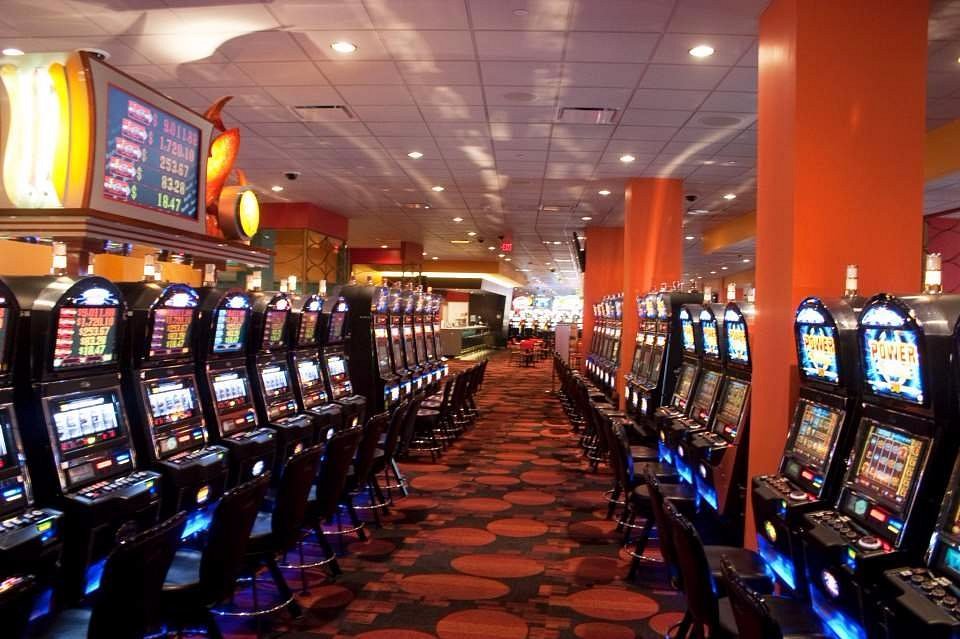
Another common misconception is the idea of “hot” or “cold” machines in slot games. Many players believe that certain machines are more likely to pay out based on previous results, leading them to gravitate towards others based on anecdotal evidence. This belief often ignores the randomness of outcomes, which can further entrench them in losing streaks while cultivating unrealistic expectations about winning. Such myths can create an illusory sense of control over the unpredictable nature of gambling, resulting in frustration when reality does not align with their beliefs.
These misconceptions are perpetuated through social exchanges and representations in popular media, further entrenching players in a cycle of unrealistic expectations. The psychological impact of these myths can influence players’ long-term gambling behavior, often leading to compulsive gambling patterns that could have been avoided with a clearer understanding of the odds and randomness involved. Challenging these beliefs is critical for fostering a healthier gambling environment and supporting individuals in making informed decisions.
Exploring responsible gambling resources
As the allure of casinos continues to attract players, understanding the psychological elements at play becomes essential for promoting responsible gambling. Numerous resources are available to help individuals navigate their gaming choices effectively. Organizations dedicated to responsible gambling offer educational materials, support systems, and tools that empower players to maintain control over their gambling habits. These resources often emphasize the importance of setting limits, recognizing warning signs, and knowing when to take a break.
Additionally, many casinos themselves are increasingly proactive in addressing gambling-related issues by providing information on assistance and support. By creating awareness about responsible gambling practices and encouraging players to seek help if needed, the gaming industry plays a crucial role in mitigating the negative consequences associated with excessive gambling. This commitment to responsible practices is essential in fostering a sustainable gaming environment where individuals can enjoy their experiences without falling prey to the darker aspects of gaming.
Ultimately, the responsibility rests not only on the players but also on the industry as a whole to promote a culture of awareness and education. By acknowledging the psychological factors that contribute to gambling behavior and advocating for responsible gaming, everyone involved can work toward creating a healthier interaction with casinos. The integration of supportive resources, educational initiatives, and open discussions around gambling can significantly enhance the overall experience of players, allowing them to enjoy the thrill without the pitfalls of excessive risk.